
The Children We Leave Out of the Domestic Violence Conversation
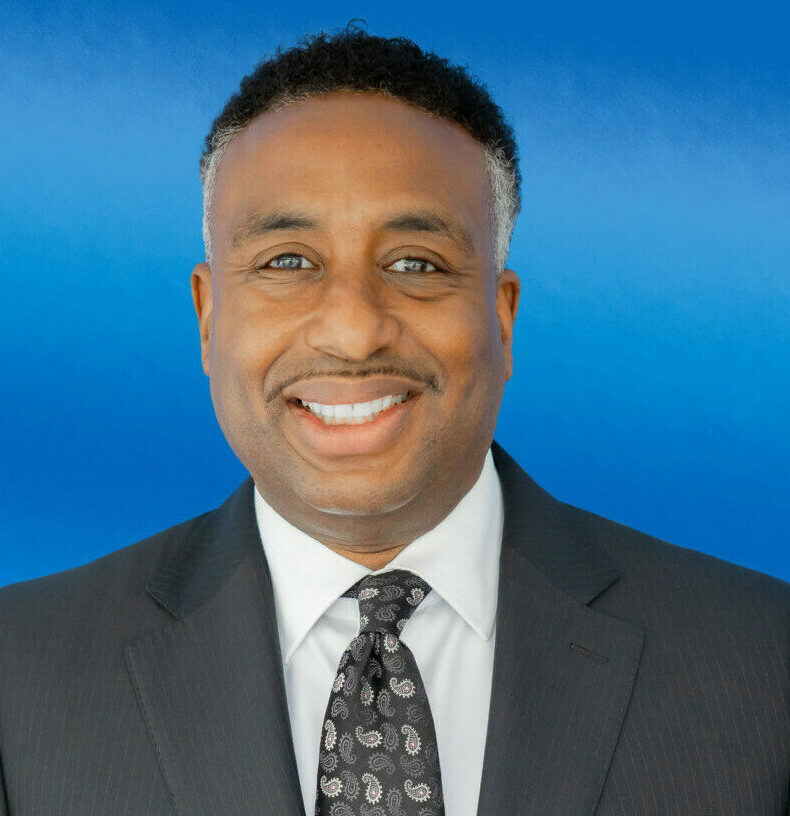
By Nathaniel Fields
Earlier this year, several devastating acts of domestic violence placed children at the center of national headlines.
In Virginia, two teenagers were inside their home when their father killed their mother and then himself. In Louisiana, eight children were killed in an act of domestic violence. And here in New York City, an infant was found alive after his mother was killed in what authorities investigated as a suspected domestic violence murder-suicide.
The circumstances were different. But together, these tragedies force us to confront a question our conversations about domestic violence too often overlook:
What about the children?
When domestic violence becomes a headline, we understandably focus on the survivor, the person who caused the harm, what happened, what warning signs may have existed, and whether something could have prevented the violence.
Then the headlines fade.
For the children who lived through that violence, or lost parents, siblings or their own lives because of it, the story does not end when the news cycle moves on.
Children are not simply witnesses to domestic violence. They experience it.
They may hear violence from another room. They may recognize the change in a parent’s voice that tells them something is wrong. They may learn which rooms feel safest, when to become quiet, or when not to ask a question. They may worry about a parent, a sibling, a pet, or what will happen when they return home.
A child does not have to be physically harmed to be affected by violence.
Yet too often, our language and systems position children as bystanders to an experience unfolding between adults.
That distinction matters.
When we treat children primarily as witnesses, we risk overlooking how domestic violence can shape their own understanding of safety, trust, relationships and home. We also risk designing responses that address the immediate crisis without fully addressing what children themselves have experienced.
Domestic violence should not need a body count to command our attention.
The cases that make national news represent the most catastrophic consequences of violence. But there are countless children living with fear, coercion and instability whose names we will never know and whose experiences will never become headlines.
At Urban Resource Institute, this is not an abstract issue. Sixty-five percent of the people we serve are children. When nearly two out of every three people in our care are children, we cannot treat their experiences as secondary to the domestic violence conversation.
That is why this Domestic Violence Awareness Month, URI is asking people to Hear Their Silence.
Hear Their Silence is not simply about whether a child speaks. It is about whether the rest of us are paying attention.
Are children visible in the data we collect? In the services we fund? In the policies we design? In the way schools, healthcare providers and other systems respond to families experiencing violence?
Our responsibility is to build systems capable of seeing the whole child.
And that responsibility cannot end with responding to violence after it happens.
Through URI’s Relationship Abuse Prevention Program (RAPP), we work with young people in New York City schools before harmful relationship patterns become entrenched.
Every conversation we have with a young person today has the potential to change a relationship tomorrow.
Young people should not enter adulthood having learned what relationships look like only from violence, coercion or control they may have experienced around them.
If we are serious about breaking intergenerational cycles of domestic violence, prevention cannot be separate from our response to the crisis. It must be part of it.
The headlines will fade.
But for children who survive domestic violence, what happened does not disappear when the rest of us stop reading about it.
That is why our responsibility must extend beyond responding to the violence in front of us. We must recognize what children have experienced, give them the support to heal, and reach young people early enough to help shape what they experience next.
The children in this year’s headlines deserved that attention.
So do the thousands of children whose names we will never know.
Children are not bystanders. We cannot keep leaving them out of the domestic violence conversation.